A Permanent Change of Station, or PCS, move can disrupt nearly every part of a household’s routine. Packing, travel, housing, paperwork, school changes, and a new work schedule all compete for attention at once. In the middle of that chaos, financial details can easily slip through the cracks. However, a PCS move does not just affect your lifestyle; it can affect your credit, too.
A missed utility bill, an unpaid move-out balance, a forgotten subscription tied to an old address, or a payment delayed during the transition can create damage that lingers long after the boxes are unpacked. For military families already dealing with the stress of relocation, these problems are easy to overlook, but luckily, they are simple to address.
Why PCS Moves Can Create Credit Problems
In most cases, credit damage during a PCS isn’t due to one major mistake; usually, it stems from a series of small oversights during a complicated transition. Moving can create a perfect storm of financial confusion, especially when there are overlapping housing costs, temporary lodging, deposits for new services, delays, mail-forwarding, address mismatches, and multiple accounts changing at once.
Some of the most common problems include:
- missed payments while accounts are being updated
- old utility accounts that were never fully closed
- final landlord or property charges sent to the wrong address
- small leftover balances that end up in collections
- temporary cash-flow strain that causes bills to fall behind
Let’s take a look at the steps that can be taken to prevent and address credit issues during (or after) a PCS transition.
Review Bills Before You Move
The best way to prepare financially for a PCS is to know your situation. Review all your outgoing bills, go account by account, and make sure nothing is left behind. That review should include your credit cards, auto loans, student loans, rent or mortgage, insurance, cell phone bill, internet, utilities, and any subscriptions or memberships that still charge automatically. The goal is simple: know what is open, what is changing, what needs to be closed, and what still needs to be paid.
“Create a simple moving checklist with each account, its due date, and the action needed before the move”
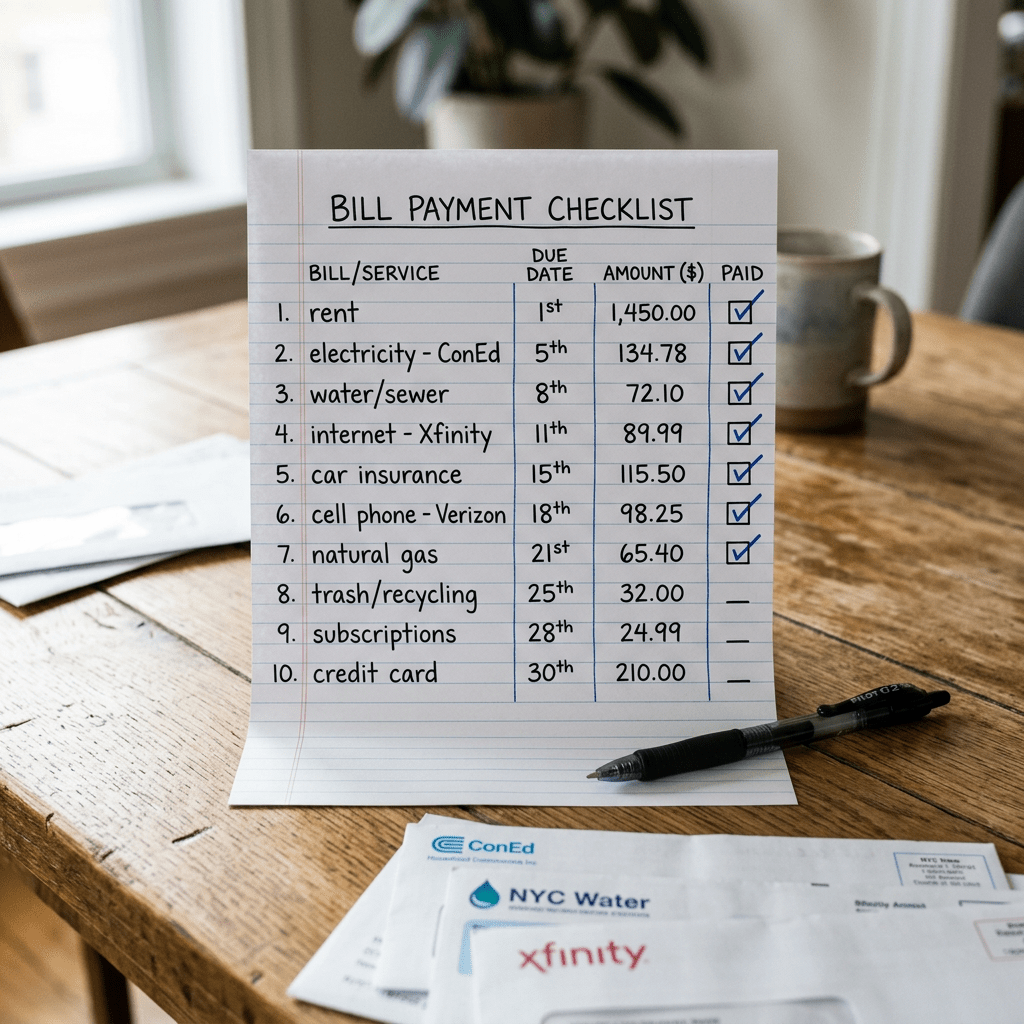
Some of the most damaging credit issues can come from relatively small balances. This is one of the biggest traps in any move. Before leaving your old location, confirm the end-of-service date for utilities, ask whether a final bill will be issued, verify where it will be sent, and check whether any deposit is being refunded or applied to the balance. If you rented, ask for written confirmation about move-out charges and lease closure. Silence does not always mean the account is resolved.
Set Up Payments at the Right Time
One of the easiest ways to protect your credit during a PCS is to reduce how much depends on memory. Autopay can help, but only if you verify that it is set up correctly. Make sure the right payment method is attached, the account has enough funds, and the payment amount is what you expect. On some accounts, autopay covers only the minimum payment, not the full balance.
The key is to handle this before the move becomes hectic. A payment problem is much easier to fix while you still have your normal routine, full account access, and easy access to your records. In addition, service members who are concerned about fraud may also consider placing an active duty alert on their credit file, which can add an extra layer of protection.
In addition, be sure to update your address as soon as possible. If a company sends a final bill, warning notice, or collection letter to your old address, you may not know anything is wrong until the account is already delinquent.
Check Your Credit After the Move
A PCS does not really end when you arrive. Financially, the follow-up period matters just as much as the move itself. After you get settled, review your accounts and credit reports to make sure everything was handled properly. This is when many people discover that a bill was never fully closed, a balance remained on an old account, or an address was never updated correctly.
After the move, pay close attention to:
- unexpected late payments
- collection accounts tied to utilities or housing
- balances that should have been settled already
- outdated address information still attached to accounts
- any account changes that do not match what you were told
If something is wrong, act quickly. These issues are easier to fix while the move is still recent and the paperwork is easy to find.
Deal With Problems Early
If something slips through the cracks during a PCS, do not ignore it and hope it disappears. Contact the company directly and ask for a clear explanation of the balance, the timeline, and whether the account has been reported or sent to collections. Keep records of your calls and emails. If the issue is inaccurate, dispute it with documentation. If the debt is valid, dealing with it early may help prevent additional damage.
A PCS move can create credit problems, but in most cases, those problems are not caused by bad financial habits. They are caused by disruption, timing, and overlooked details. That is actually good news, because it means much of the risk is preventable. If you treat your move like a financial transition rather than just a physical one, you can reduce the odds of missed payments, surprise balances, and collection issues following you to your next duty station. A little planning before the move and a little follow-up after it can protect your credit and finances.
Enjoy the content of this post? Subscribe below to get the latest content delivered to your inbox!

